
Most organizations think of innovation as a structured process—formal R&D, defined frameworks, and breakthrough ideas. In practice, some of the most effective solutions emerge much closer to the ground.
This study examines how metaphorical thinking enabled a small but meaningful innovation inside a food production facility. Faced with a persistent cleaning challenge, a consultant worked alongside frontline workers, observing their routines and constraints in real time. Rather than applying a predefined solution, the breakthrough came from reframing the problem itself.
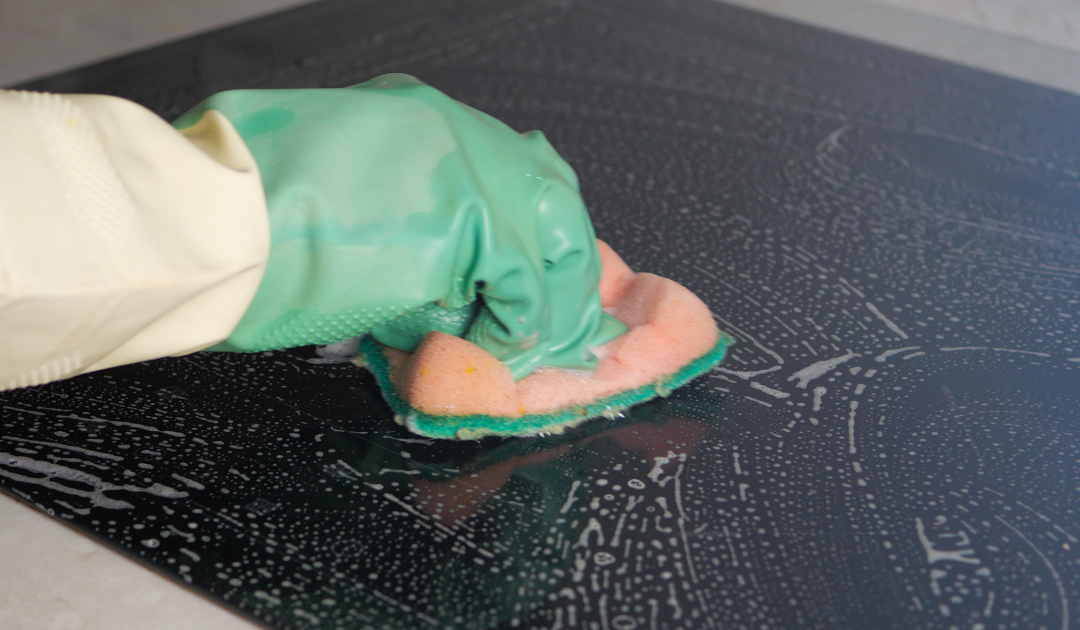
Using principles from the Geneplore model of creative cognition, the consultant moved between idea generation and experimentation, applying analogical reasoning to test new approaches. The result was deceptively simple: transforming a non-foaming soap into a foaming solution. That shift changed how the product interacted with surfaces, allowing the cleaning team to remove buildup more efficiently and accelerate their process.
What makes this case valuable is not the scale of the innovation, but how it occurred. The solution did not come from formal research channels—it emerged through observation, iteration, and the willingness to think differently about an everyday problem.
The study reinforces a broader point: creativity is not confined to specialized roles or breakthrough moments. It often appears in small, practical adjustments that reframe how work gets done. When organizations create space for this kind of thinking, they unlock a form of innovation that is both accessible and immediately actionable.
The original article appeared in Development and Learning in Organizations: An International Journal.